< img height="1" width="1" style="display:none" src="https://www.facebook.com/tr?id=1819065565288594&ev=PageView&noscript=1" />
Home > Guide
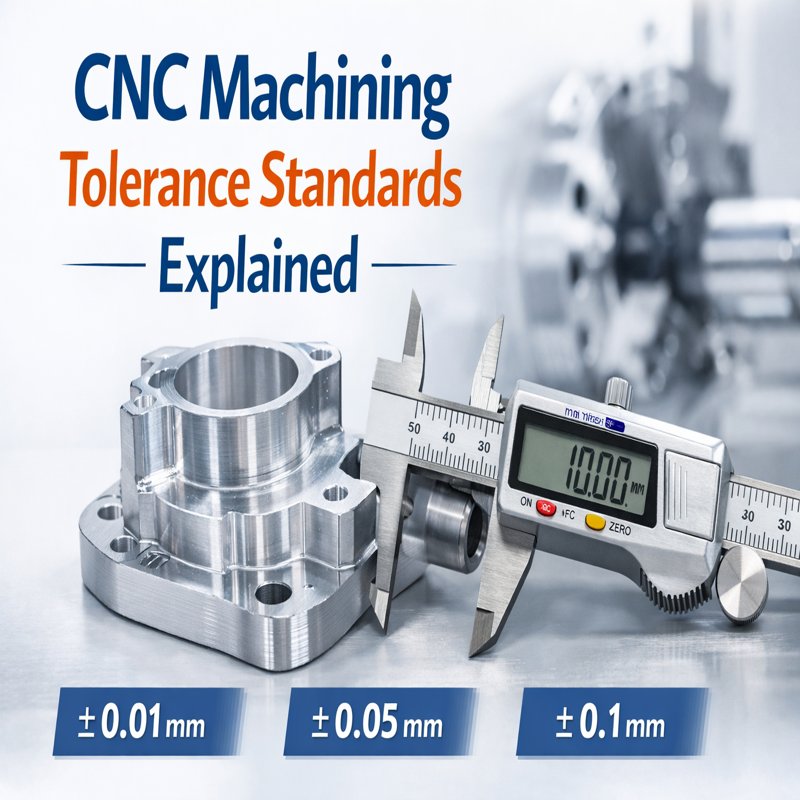
CNC Machining Tolerance Standards Explained: A Practical Guide for Engineers and Buyers

CNC machining tolerance defines the allowable deviation in part dimensions. This guide explains tolerance standards, precision levels, and how to balance cost and performance in manufacturing.
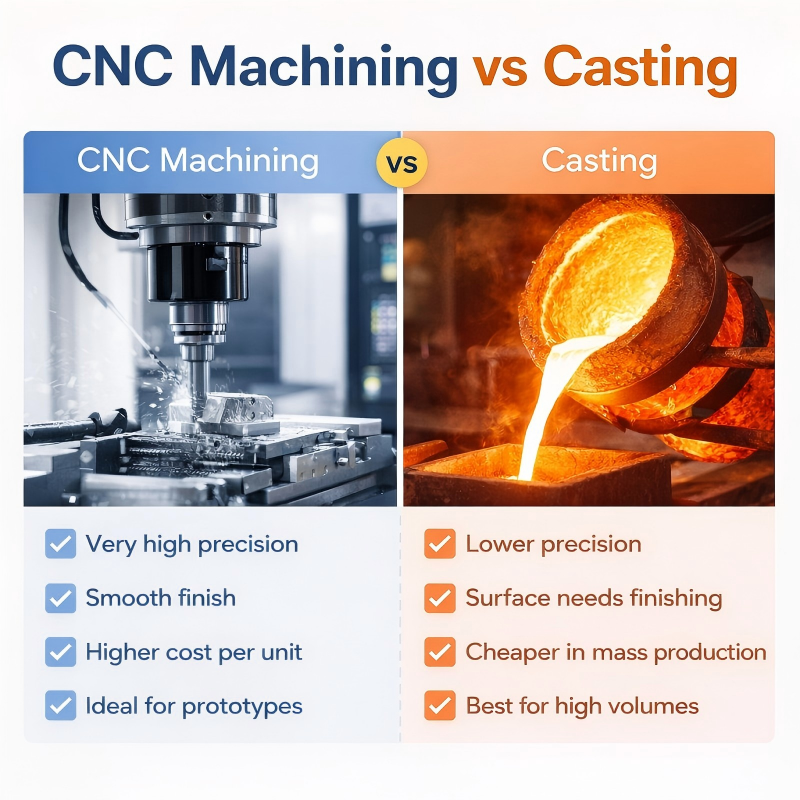
CNC Machining vs Casting: Which Process Is Better for Your Parts?

CNC machining and casting are two common manufacturing methods. This guide compares their cost, precision, and applications to help you choose the right process for your parts.

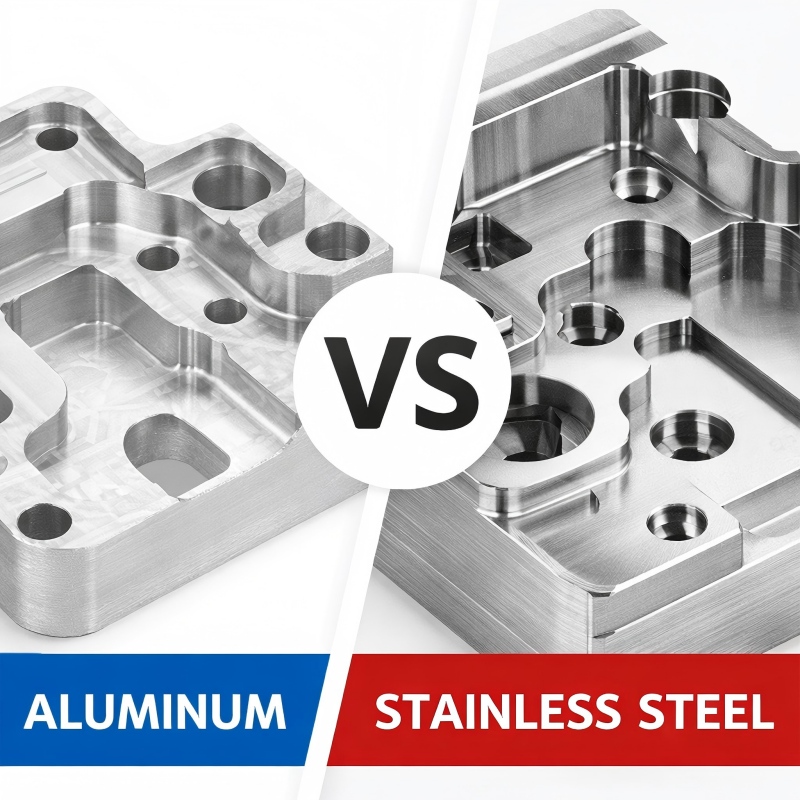
Stainless Steel vs Aluminum Machining Cost: Which Is Cheaper?

The total machining cost is not determined by raw material price alone. It depends on a combination of factors including cutting speed, tool life, part geometry, tolerance requirements, surface finish, order quantity, and post-processing.

Aluminum 6061 vs 6063: Especially For Processing Heat Sinks

There are many types of aluminum alloys, but AL6063 and AL6061 are alloys with excellent corrosion resistance.AL6063 and AL6061 are both classified as 6000 series aluminum alloys, and it is important to use different materials according to the application.

Aluminum 6061 vs 6063: Differences in Properties (Density & Strength)

There are various types of aluminum alloys, but A6063 and A6061 are alloys that excel in corrosion resistance. Both A6063 and A6061 are classified as 6000 series aluminum alloys, and it is important to use different materials according to the

Aluminum 6061 vs 6063: Differences in Properties

There are various types of aluminum alloys, but A6063 and A6061 are alloys that excel in corrosion resistance. Both A6063 and A6061 are classified as 6000 series aluminum alloys, and it is important to use different materials according to the